
Anti-slip tactile studs are essential safety features used in public spaces to prevent slips and falls, especially in wet or slippery conditions. They are commonly installed in areas like pedestrian crossings, train platforms, staircases, and ramps. In this post, you’ll learn the main types of tactile studs and the considerations you could refer to when choosing the right studs.
1 Stainless Steel Tactile Studs
Material: Made from high-quality stainless steel.
Features:
Durable and corrosion-resistant.
Often designed with raised patterns or dimples for enhanced grip.
Suitable for outdoor and high-traffic areas.
Applications: Train stations, pedestrian crossings, and industrial areas.


2 Cast Iron Tactile Studs
Material: Made from cast iron.
Features:
Extremely durable and heavy-duty.
Often coated with anti-slip materials like epoxy or rubber.
Ideal for areas with heavy vehicle or foot traffic.
Applications: Driveways, loading docks, and industrial zones.
3 Rubber Tactile Studs
Material: Made from durable rubber or elastomers.
Features:
Soft and flexible, providing excellent grip.
Often brightly colored (e.g., yellow or red) for high visibility.
Easy to install and replace.
Applications: Staircases, ramps, and swimming pool areas.
4 Aluminum Tactile Studs
Material: Made from lightweight aluminum.
Features:
Lightweight yet durable.
Often anodized or coated for corrosion resistance.
Can be designed with anti-slip patterns.
Applications: Pedestrian walkways, parks, and public plazas.
5 Ceramic Tactile Studs
Material: Made from ceramic or porcelain.
Features:
Highly resistant to wear and tear.
Excellent anti-slip properties, even in wet conditions.
Often used in combination with other materials for added durability.
Applications: Public transportation hubs, wet areas, and outdoor staircases.
6 Polycarbonate Tactile Studs
Material: Made from polycarbonate plastic.
Features:
Lightweight and cost-effective.
Can be designed with anti-slip textures.
Often used for temporary or low-traffic areas.
Applications: Temporary walkways, event venues, and indoor areas.
7 Composite Tactile Studs
Material: Made from a combination of materials (e.g., fiberglass, resin, and rubber).
Features:
Combines the benefits of multiple materials (e.g., durability, anti-slip, and lightweight).
Highly customizable in terms of color and texture.
Applications: High-traffic pedestrian areas, airports, and shopping malls.
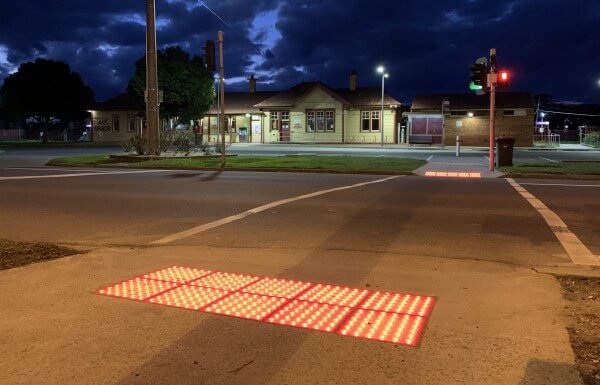
8 LED Tactile Studs
Material: Typically made from durable plastic or metal with embedded LED lights.
Features:
Provides both anti-slip properties and illumination.
Enhances visibility in low-light conditions.
Often solar-powered or battery-operated.
Applications: Night-time pedestrian crossings, staircases, and outdoor pathways.
Environment: Choose studs that are suitable for the specific environment. Consider whether the studs will be used indoors, outdoors, or in wet/icy/corrosive conditions.
Traffic Level: Choose a surface type that can withstand the expected foot or vehicle traffic.
Safety Requirements: Ensure the surface provides adequate slip resistance and tactile feedback.
Aesthetic Preferences: Select a surface type that complements the surrounding design.
Maintenance: Consider how easy the surface is to clean and maintain.
When choosing tactile studs for your project, durability is a critical factor to ensure they can withstand the intended environment and usage over time. Here are the key factors to consider.
Material Quality
Consideration: Choose a material that balances durability with the specific needs of your project (e.g., corrosion resistance for coastal areas).
Bright colors or reflective properties can enhance safety, especially in low-light areas. For tactile studs with high visibility, you may get down to the following aspects.

Ensure the studs are easy to install and maintain. The installation method affects the studs’ durability and stability. For adhesive or fastening studs, the matter that needs attention is different.
Options:
Tactile studs play a crucial role in ensuring pedestrian safety and accessibility. With the demand for diverse tactile studs increasing to cater for different practical needs, various studs come into the market to balance the demand. The choice of type depends on many factors like the surface conditions, durability, visibility, installation, etc. It’s necessary to clarify the factors clearly when you’re requiring a reasonable quote from the stud supplier.
Skyhall Fence has been supplying tactile studs since 2009. We feel honored to have resolved many project issues for our customers by providing quality studs within low budgets. With the help of our professional technical and sales team, we’re sure your project will be a cakewalk.