
When considering the best options for securing a property or delineating an area, we often find ourselves confronted with multiple choices. It is crucial to select fencing that not only meets our security needs but also enhances the aesthetic of our space. We’ve found that welded mesh fencing offers an excellent blend of durability, safety, and visual appeal, making it our top recommendation for various applications.
Welded mesh fencing consists of a series of interconnected wire strands that are welded together at intersections to create a robust grid pattern. Available in various materials, finishes, and mesh sizes, this fencing type is perfect for residential, commercial, and industrial purposes. Even more so, the galvanized version provides protection against the elements, promising a long-lasting solution that requires minimal maintenance.
Strength and Durability: The welded design gives the fencing exceptional strength, resisting bending, breaking, and deterioration. This makes it an ideal choice for high-security areas, livestock containment, and facility perimeters.

Versatility: Welded mesh fencing is highly versatile. We can use it for various applications, from garden borders to security fences in industrial complexes.
Visibility and Aesthetics: Unlike solid panels, welded mesh fencing offers visibility and an open feel, allowing light to filter through and maintaining sightlines. This can enhance the aesthetics of a property compared to traditional opaque fencing options.
Cost-Effectiveness: Given its longevity and low maintenance requirements, choosing welded mesh fencing often proves to be a cost-effective solution over time.
Easy Installation: Many manufacturers provide pre-fabricated welded mesh fence panels that simplify the installation process, reducing labor costs and time.
Understanding the diversity in welded mesh fencing options enables you to choose the right fit for your needs. Below is a brief overview of the common types:
| Type of Welded Mesh Fencing | Description | Suitable for |
| Galvanized Welded Mesh Fencing | Coated with a protective zinc layer to prevent corrosion and rust. | Residential gardens, commercial areas. |
| PVC Coated Welded Mesh Fencing | Combines the strength of galvanized mesh and adds a durable PVC overlay for aesthetic appeal. | Schools, parks, and residential areas. |
| Stainless Steel Mesh Fencing | Made from high-grade stainless steel, offering excellent rust resistance. | High-security areas, coastal regions. |
Selecting the right welded mesh fencing manufacturer is crucial for ensuring you receive a high-quality product. Here are a few factors to consider when making our choice:
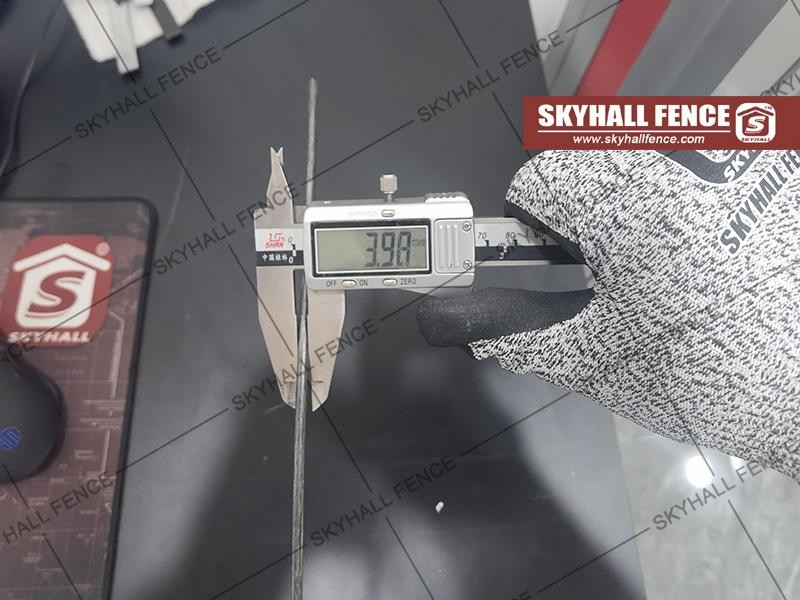
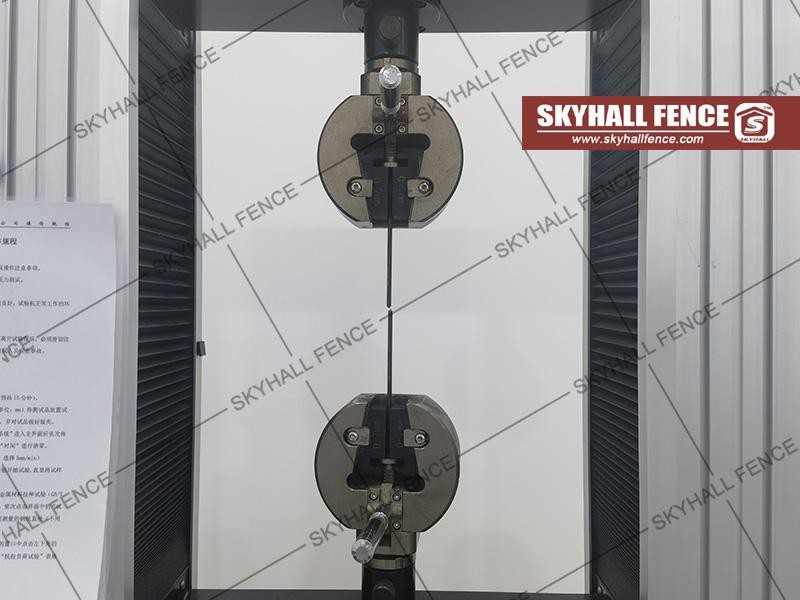
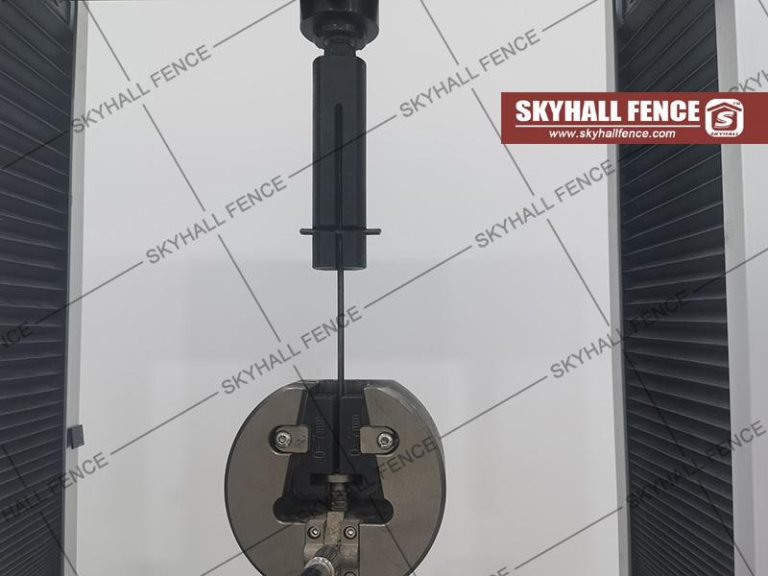
Skyhall conducts a series of tests to ensure we’re offering the best to our customers. Here’s a group of weld strength tests we made according to our client’s request.


Check Skyhall Fence Product Catalog to get the right fencing for your project.
Once we have selected our welded mesh fencing and secured a reputable manufacturer, it is time to delve into the installation process. Here is a step-by-step guide to help us:
Step 1: Prepare the Site
Clear the Area: Make sure to remove all debris and vegetation where the fence will be installed.
Mark the Layout: Use stakes and strings to outline the exact placement of the fence.
Step 2: Set the Posts
Dig the Holes: Depending on local regulations, holes should be deep enough to provide stability, typically 2-3 feet.
Insert Posts: Place vertical posts at regular intervals (usually 6-8 feet apart) and ensure they are plumb.
Step 3: Attach the Welded Mesh Panels
Position the Panels: Align the panels between the posts, ensuring they are level.
Secure Tight: Use brackets or metal ties to securely fasten each panel to the posts, keeping them tight.
Step 4: Finish the Installation
Check Stability: Ensure that the fence is stable and secured.
Inspect for Gaps: Look for any gaps that may permit entry and make adjustments where necessary.
One of the appealing features of welded mesh fencing is that, once installed, it requires minimal maintenance. However, we should still perform some basic checks:
Regular Inspections: Look for signs of rust or damage, especially in galvanized offerings. Regular checking can help address small issues before they escalate.
Cleaning: Occasionally, we can rinse off dirt and grime to keep the fencing looking new. Using a mild detergent can help with tougher stains.
Repainting or Resurfacing: For non-galvanized or PVC coated fences, periodically check the surface for wear and repaint as needed to maintain a protective layer.
Tightening Fasteners: Over time, fasteners can loosen. A periodic check and tightening of brackets and fasteners can keep everything secure.
Investing in welded mesh fencing is a strategic decision that balances security, economy, and aesthetics. By opting for this fencing solution, we not only enhance our property’s safety but also embrace a low-maintenance option that adapts to various environments and needs. As we have discussed, the right manufacturer and informed installation will ensure we reap the full benefits. With proper maintenance, our welded mesh fencing will stand the test of time, providing lasting value and peace of mind.